
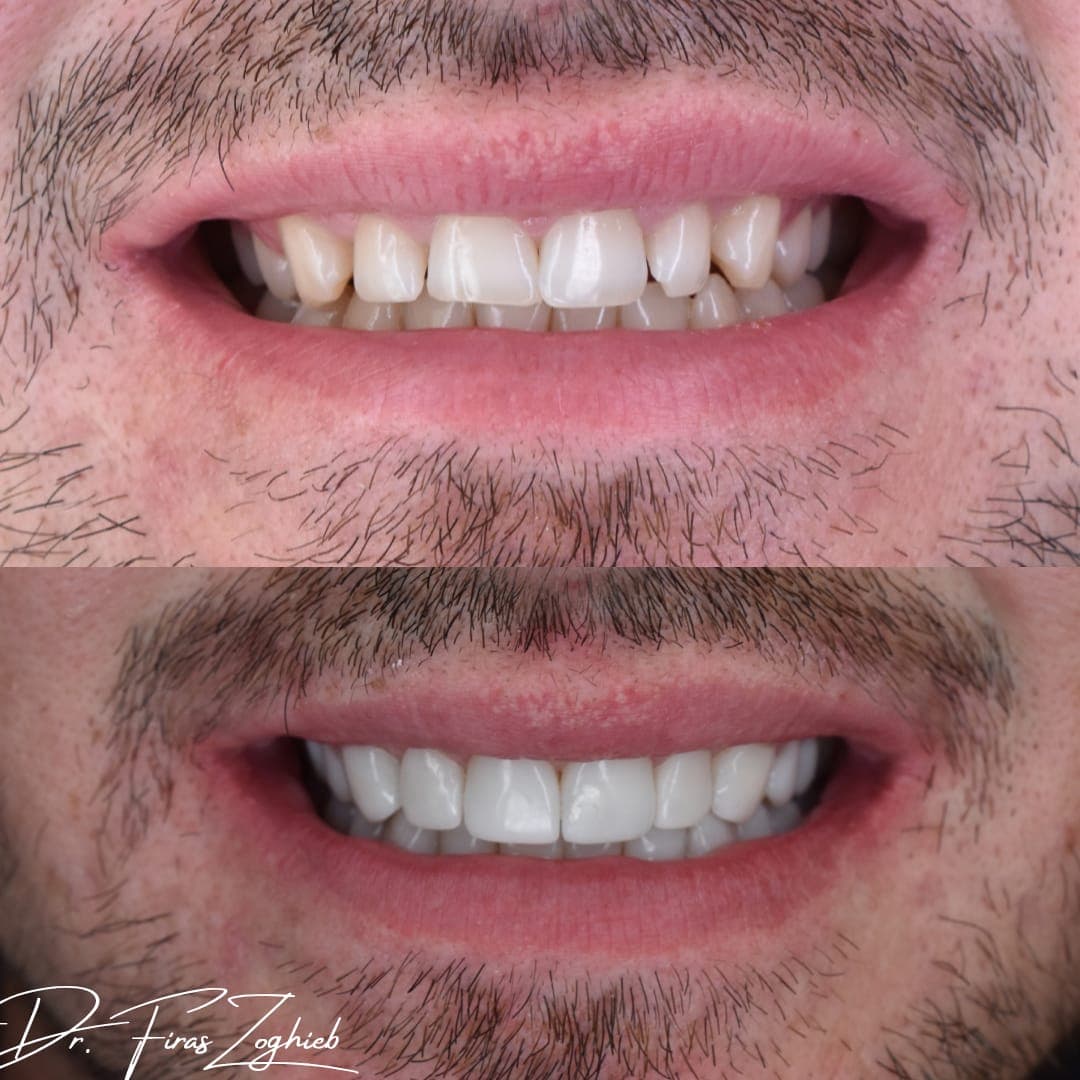
Small teeth can make the smile look uneven, narrow, or less balanced. Some patients feel that their teeth do not match their lips, face shape, or smile line, even when the teeth are healthy.
Composite bonding for small teeth in Dubai is a cosmetic dental treatment that can improve tooth size, shape, and proportions using tooth-coloured resin. It is often chosen by patients who want a natural-looking smile improvement without more invasive dental work.
What Are Small Teeth?
Small teeth may be naturally smaller than average, or they may appear small because of tooth wear, spacing, gum shape, or the way the teeth fit within the smile. In some cases, one or two teeth may look smaller than the others, creating an uneven appearance.
Composite bonding can help improve the appearance of small teeth by adding carefully shaped resin to selected areas, making the teeth look more proportional and balanced.
Can Composite Bonding Make Small Teeth Look Bigger?
Yes, composite bonding can make small teeth look bigger in selected cases. The dentist applies tooth-coloured composite resin to increase the visible size of the tooth, improve its shape, and create better harmony with the surrounding teeth.
The key is careful planning. The teeth should not look bulky, too wide, or unnatural. A good result should match your face, lips, and natural smile line.
Why Do Teeth Look Small?
Teeth may look small for different reasons. Understanding the cause helps the dentist choose the right cosmetic treatment and avoid an unnatural result.
- Naturally small tooth size
- Worn tooth edges
- Gaps between teeth
- Short-looking front teeth
- Uneven tooth proportions
- Gum shape or gum display
- Previous tooth damage
- Teeth grinding or clenching
- Tooth alignment issues
What Types of Small Teeth Can Bonding Improve?
- Small front teeth
- Short-looking teeth
- Peg-shaped lateral incisors
- Uneven tooth sizes
- Small teeth with gaps
- Worn teeth that look shorter
- Teeth that look narrow
- Minor shape irregularities
Composite Bonding Treatment Process for Small Teeth
1. Smile Assessment
The dentist examines your teeth, gums, bite, and smile line. This helps determine whether composite bonding can improve the appearance of small teeth naturally.
2. Tooth Proportion Planning
For small teeth, proportion planning is very important. The dentist must decide how much width, length, or contour should be added to create a balanced smile.
3. Shade Selection
A composite shade is selected to match your natural teeth. If you want a brighter smile, professional whitening may be recommended before bonding so the composite can match the new shade.
4. Composite Application
Tooth-coloured composite resin is applied to the selected teeth and shaped carefully. The dentist may add length, width, or contour depending on the smile design plan.
5. Polishing and Final Adjustments
The composite is hardened, polished, and adjusted until it feels smooth and looks natural. The bite is also checked to make sure the bonded teeth are comfortable.
Benefits of Composite Bonding for Small Teeth
- Improves tooth size and proportions
- Can close small gaps
- Creates a more balanced smile
- Minimally invasive in many cases
- Can improve short or narrow-looking teeth
- Often faster than porcelain restorations
- Can be adjusted or repaired if needed
- Preserves more natural tooth structure
Does Composite Bonding for Small Teeth Look Natural?
Composite bonding can look very natural when the dentist carefully plans the tooth proportions, shade, shape, and polish. The goal is to make the teeth look balanced without making them appear oversized or artificial.
Natural-looking bonding should match the surrounding teeth and fit the patient’s lips, face shape, and smile style.
Composite Bonding vs Veneers for Small Teeth
Composite bonding may be suitable for small to moderate improvements in tooth size and shape. It is often more conservative than veneers because it usually requires little or no removal of natural tooth structure.
Porcelain veneers may be recommended when the patient wants a more complete smile makeover, longer-lasting ceramic restorations, or correction of colour, size, and shape at the same time.
Composite Bonding vs Invisalign for Small Teeth
Composite bonding changes the shape and size of the teeth by adding resin. Invisalign moves teeth into better alignment. If small teeth appear more noticeable because of spacing or alignment, Invisalign may be recommended before bonding.
In some cases, Invisalign and composite bonding can be combined to create a more balanced and natural-looking smile.
How Long Does Bonding Last on Small Teeth?
Composite bonding can last several years with good care, but it may need polishing, repair, or replacement over time. The lifespan depends on bite pressure, oral hygiene, diet, grinding habits, and regular dental maintenance.
If bonding is used to add length to front teeth, extra care is needed because the edges are exposed to biting forces.
How to Care for Bonded Small Teeth
- Brush and floss daily
- Avoid biting hard objects with bonded teeth
- Do not bite nails or pens
- Avoid using teeth to open packaging
- Limit coffee, tea, and staining drinks
- Book regular dental cleaning and polishing
- Wear a night guard if you grind your teeth
- Visit your dentist if bonding feels rough or chips
When Is Composite Bonding Not Enough?
Composite bonding may not be enough if the teeth are very small, heavily worn, severely misaligned, or affected by bite problems. It may also not be the best option if the patient wants a major colour change or a more durable ceramic result.
In these cases, veneers, Invisalign, gum contouring, crowns, or a combined smile makeover plan may be recommended.
Book a Consultation for Small Teeth in Dubai
If your teeth look small, short, narrow, or uneven, composite bonding in Dubai may help improve your smile proportions in a conservative and natural-looking way.
A consultation with a cosmetic dentist can help determine whether bonding is suitable for your teeth and what result you can expect.
Frequently Asked Questions
Can composite bonding make small teeth bigger?
Yes, composite bonding can add length, width, or shape to small teeth in selected cases, helping them look more balanced.
Is bonding good for peg-shaped teeth?
Composite bonding can often improve peg-shaped teeth by reshaping them with tooth-coloured resin. The dentist will assess whether bonding or veneers are more suitable.
Will small teeth look bulky after bonding?
They should not look bulky if the treatment is planned carefully. The dentist must maintain natural tooth proportions and smile balance.
Is composite bonding painful for small teeth?
Composite bonding is usually comfortable and minimally invasive. In many cases, it does not require injections or major drilling.
Is bonding or veneers better for small teeth?
Bonding may be better for conservative improvements, while veneers may be better for larger smile makeovers or longer-lasting ceramic results.