
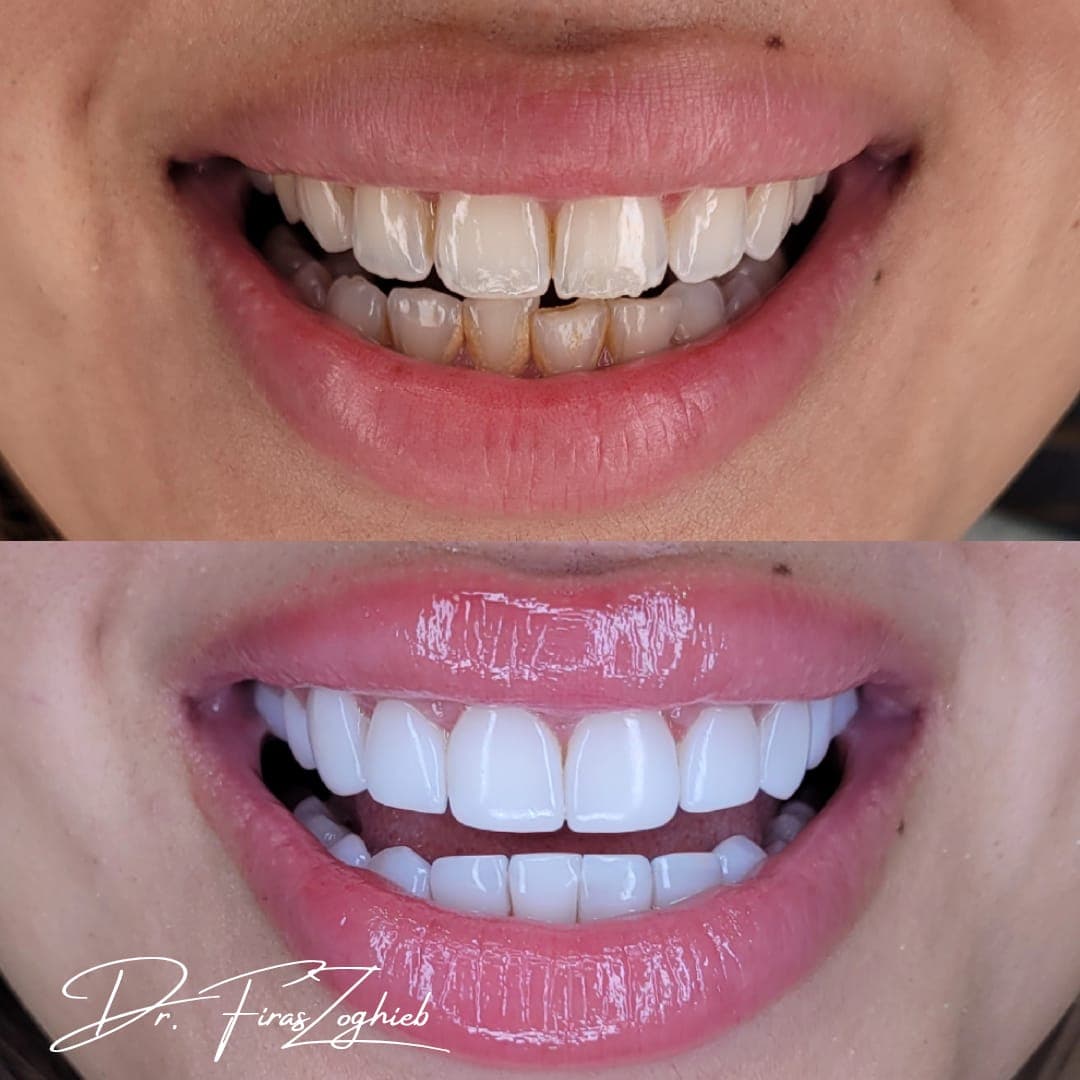
Small gaps between teeth can affect the way your smile looks, especially when the spaces are visible between the front teeth. Composite bonding for teeth gaps in Dubai is a cosmetic dental treatment that can help close minor spaces and improve smile balance without braces in selected cases.
Using tooth-coloured composite resin, the dentist carefully reshapes the teeth beside the gap to make the smile look more even and natural. The goal is to create a result that blends with your natural teeth, not a smile that looks bulky or artificial.
What Is Composite Bonding for Teeth Gaps?
Composite bonding is a cosmetic treatment where tooth-coloured resin is applied to the tooth surface, shaped, hardened, and polished. When used for gaps, the resin is added to the sides of the teeth to reduce or close the visible space.
This treatment is often used for small gaps between front teeth, also known as diastemas. It may also improve minor spacing issues between other visible teeth.
Can Composite Bonding Close Gaps Between Teeth?
Yes, composite bonding can close small gaps between teeth when the spacing is minor and the teeth are healthy. It is commonly chosen by patients who want a faster cosmetic solution without orthodontic treatment.
However, bonding is not suitable for every gap. Larger spaces, bite problems, severe crowding, or alignment issues may require Invisalign, braces, veneers, or a combined smile design plan.
Why Do Gaps Between Teeth Happen?
Teeth gaps can happen for several reasons. Some patients naturally have small spaces between their teeth, while others develop gaps over time due to gum changes, tooth movement, or bite habits.
- Natural tooth spacing
- Small teeth compared to jaw size
- Missing teeth
- Gum disease or bone loss
- Tongue pressure habits
- Teeth movement over time
- Previous orthodontic relapse
- Tooth shape irregularities
Who Is a Good Candidate for Gap Bonding?
You may be a good candidate for composite bonding if your gap is small, your teeth are healthy, and your bite does not place heavy pressure on the bonded area. The treatment is especially useful when the main concern is cosmetic rather than orthodontic.
- You have small gaps between front teeth
- You want a minimally invasive treatment
- Your teeth and gums are healthy
- You do not have severe bite problems
- You want a natural-looking result
- You prefer not to start braces or aligners for a minor gap
Composite Bonding Process for Teeth Gaps
1. Smile and Bite Assessment
The dentist first examines your teeth, gums, bite, and smile line. This helps confirm whether bonding can close the gap naturally or whether another treatment would give a better result.
2. Smile Proportion Planning
Closing a gap is not only about filling the space. The dentist must consider tooth width, facial balance, gum line, and how the final teeth shape will look when you smile.
3. Shade Matching
A composite shade is selected to match your natural teeth. If you plan to whiten your teeth, whitening is usually recommended before bonding so the composite can match the brighter shade.
4. Composite Application
The composite resin is applied to the sides of the teeth near the gap. The dentist shapes it carefully to close the space while keeping the teeth proportional and natural-looking.
5. Polishing and Final Adjustments
After the resin is hardened, the bonded teeth are polished and adjusted. The final result should feel smooth, comfortable, and balanced with the rest of your smile.
Benefits of Composite Bonding for Teeth Gaps
- Can close small gaps without braces in selected cases
- Minimally invasive treatment
- Natural-looking cosmetic improvement
- Can improve tooth shape and symmetry
- Often completed faster than orthodontic treatment
- Can be adjusted or repaired if needed
- Helps create a more balanced smile
Does Gap Bonding Look Natural?
Composite bonding for gaps can look very natural when the tooth proportions are planned correctly. The teeth should not look too wide, square, or bulky after the gap is closed.
A natural result depends on careful shade selection, shaping, polishing, and smile design. The dentist must balance the gap closure with the overall appearance of your teeth and face.
Composite Bonding vs Invisalign for Teeth Gaps
Composite bonding closes a gap by adding tooth-coloured material to the teeth. Invisalign closes gaps by moving the teeth into better alignment. Both treatments can improve spacing, but they work in different ways.
Bonding may be suitable for small cosmetic gaps, while Invisalign may be better for larger spaces, bite concerns, or cases where tooth movement is needed. Sometimes, Invisalign and bonding can be combined for a more complete result.
Composite Bonding vs Veneers for Teeth Gaps
Composite bonding is often more conservative and may be suitable for smaller gaps. Veneers may be recommended when gaps are combined with other concerns such as discolouration, worn teeth, uneven shapes, or a larger smile makeover goal.
The right option depends on your tooth condition, budget, expectations, and the type of result you want.
How Long Does Composite Bonding for Gaps Last?
Composite bonding can last for several years with proper care, but it may need polishing, repair, or replacement over time. Its lifespan depends on oral hygiene, diet, bite habits, grinding, and how well the bonded teeth are maintained.
To protect your bonding, avoid biting hard objects, maintain regular dental checkups, and follow your dentist’s care instructions.
How to Care for Bonded Teeth After Gap Closure
- Brush and floss daily
- Avoid biting hard foods with bonded front teeth
- Do not bite nails, pens, or hard objects
- Limit staining drinks such as coffee and tea
- Book regular cleaning and polishing appointments
- Wear a night guard if you grind your teeth
- Visit your dentist if the bonding chips or feels rough
When Is Bonding Not the Best Option for Gaps?
Bonding may not be the best option if the gap is large, the teeth are already wide, the bite is unstable, or the spacing is caused by gum disease or tooth movement. In these cases, orthodontic treatment or restorative dentistry may be more suitable.
A consultation is important because closing a gap without understanding the cause may lead to an unnatural result or future dental problems.
Book a Consultation for Teeth Gap Bonding in Dubai
If you want to close small gaps between your teeth, composite bonding in Dubai may be a natural and minimally invasive option. A cosmetic dental consultation can help determine whether bonding is suitable and what result you can expect.
With careful planning and artistic shaping, composite bonding can help close visible spaces and create a more confident, balanced smile.
Frequently Asked Questions
Can composite bonding close gaps between front teeth?
Yes, composite bonding can close small gaps between front teeth by adding tooth-coloured resin to the sides of the teeth. The dentist shapes and polishes the resin for a natural-looking finish.
Is bonding better than braces for gaps?
Bonding may be suitable for small cosmetic gaps, while braces or Invisalign may be better for larger gaps or alignment problems. The best choice depends on your teeth and bite.
Will my teeth look too wide after bonding?
A well-planned bonding treatment should maintain natural tooth proportions. If the gap is too large, bonding alone may make the teeth look wide, so another option may be recommended.
Does composite bonding for gaps hurt?
Composite bonding is usually comfortable and minimally invasive. In many cases, it does not require drilling or anaesthesia.
Can bonding for gaps stain?
Yes, composite bonding can stain over time, especially with frequent coffee, tea, smoking, or poor oral hygiene. Regular polishing and good care can help maintain the result.