
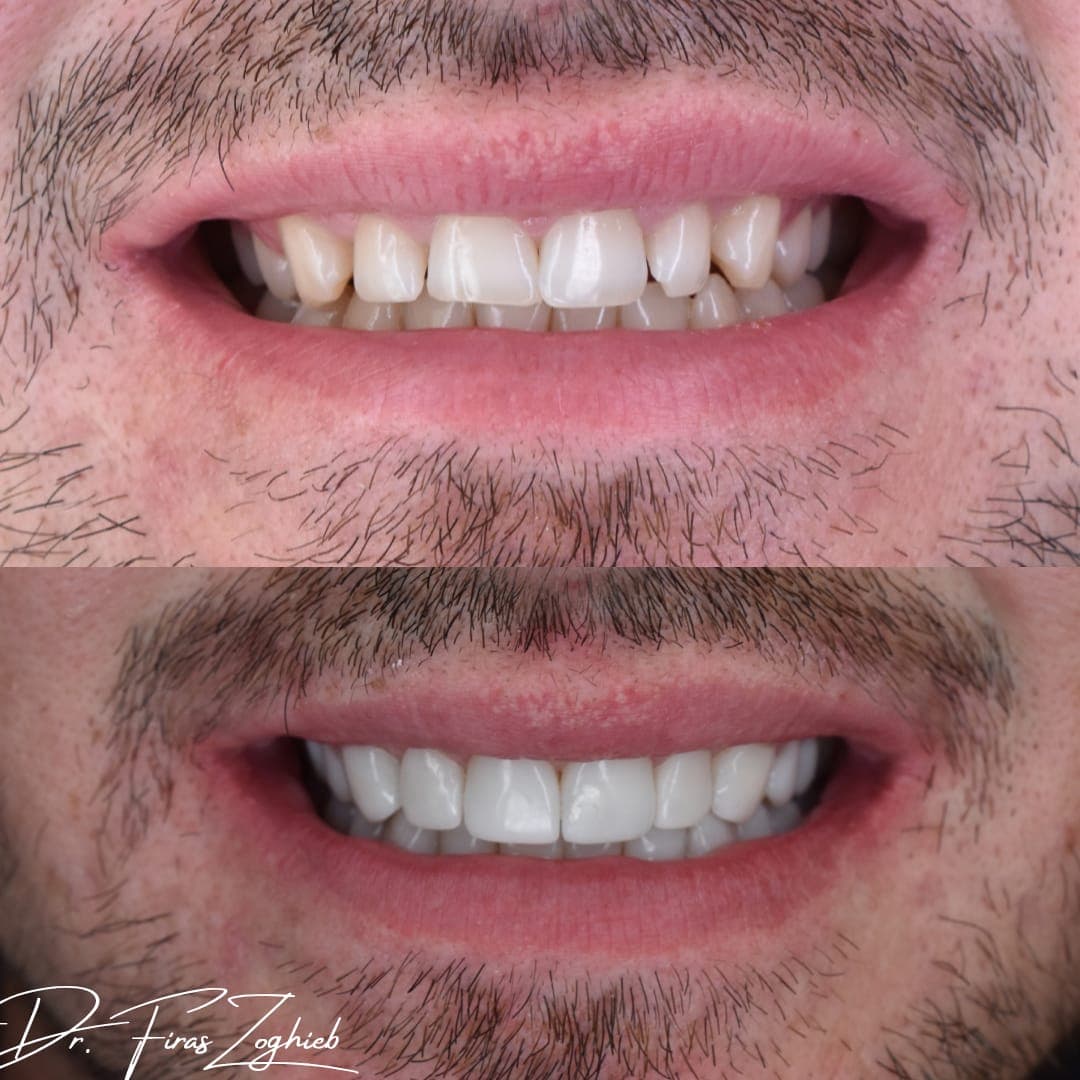
Worn front teeth can make the smile look uneven, aged, or less balanced. When the edges of the front teeth become shorter, flatter, or rough, even small changes can affect the overall appearance of the smile.
Composite bonding for worn front teeth in Dubai is a conservative cosmetic dental treatment that can rebuild lost tooth edges, improve tooth shape, and restore a smoother, more natural-looking smile.
What Are Worn Front Teeth?
Worn front teeth happen when the biting edges of the teeth gradually lose enamel or become shorter over time. This can make the teeth look flat, uneven, chipped, or older than they should.
In some cases, tooth wear is mild and mainly cosmetic. In other cases, it may be linked to grinding, bite problems, acid erosion, or dental habits that need treatment before cosmetic bonding.
What Causes Front Teeth to Wear Down?
- Teeth grinding or clenching
- Biting nails or hard objects
- Using teeth to open packaging
- Acid erosion from diet or reflux
- Natural enamel wear over time
- Uneven bite pressure
- Previous tooth chips
- Old dental restorations
- Tooth alignment problems
Can Composite Bonding Fix Worn Front Teeth?
Yes, composite bonding can often restore mildly to moderately worn front teeth. The dentist applies tooth-coloured composite resin to the worn edges, then shapes and polishes it to recreate a more natural tooth length and smile line.
Composite bonding is especially useful when the teeth are healthy but need improvement in shape, edge length, or symmetry.
Why Treat Worn Front Teeth?
Treating worn front teeth can improve both appearance and comfort. Worn edges may look uneven, feel rough, or make the smile appear older. Restoring the edges can help create a cleaner and more confident smile.
- Improves the smile line
- Restores lost tooth length
- Smooths rough or sharp edges
- Creates a more youthful smile
- Improves symmetry between front teeth
- Helps protect worn tooth edges
- Can improve confidence when smiling
Composite Bonding Treatment Process
1. Tooth Wear Assessment
The dentist first checks the level of tooth wear, your bite, gum health, and any signs of grinding or clenching. This step is important because the cause of tooth wear should be understood before treatment.
2. Smile Line Planning
The dentist plans how much tooth length should be restored. The goal is to improve the smile without making the teeth look too long, bulky, or unnatural.
3. Shade Matching
A composite shade is selected to match your natural teeth. If you want a brighter smile, whitening may be recommended before bonding so the composite can match the new shade.
4. Composite Application
Tooth-coloured composite resin is applied to the worn edges and shaped carefully. The dentist rebuilds the edge to improve length, smoothness, and symmetry.
5. Polishing and Bite Adjustment
The bonding is hardened, polished, and adjusted so it feels smooth and comfortable. The bite is checked to reduce unnecessary pressure on the bonded edges.
Benefits of Composite Bonding for Worn Teeth
- Minimally invasive treatment
- Natural-looking restoration
- Can restore worn tooth edges
- Improves uneven smile lines
- Often faster than porcelain restorations
- Can be repaired or adjusted if needed
- Preserves more natural tooth structure
- Suitable for selected cosmetic tooth wear cases
Does Bonding on Worn Teeth Look Natural?
Composite bonding can look very natural when the tooth length, edge shape, colour, and polish are carefully planned. The restored edges should blend with the rest of the tooth and match the surrounding teeth.
A natural result should not look too square, too long, or too white. It should match your face, smile line, and existing tooth proportions.
Composite Bonding vs Veneers for Worn Front Teeth
Composite bonding may be suitable for mild to moderate edge wear when the main concern is restoring tooth shape. Veneers may be recommended when the teeth also have severe discolouration, larger structural issues, or when the patient wants a more complete smile makeover.
The right option depends on the amount of wear, bite condition, smile goals, and long-term expectations.
Do You Need a Night Guard After Bonding?
If your worn front teeth are caused by grinding or clenching, your dentist may recommend a custom night guard. This helps protect the bonded teeth from pressure during sleep and can reduce the risk of future chips or wear.
Without controlling grinding, composite bonding may wear down or chip faster.
How Long Does Composite Bonding Last on Worn Teeth?
Composite bonding can last several years with good care, but results vary depending on bite pressure, grinding habits, oral hygiene, diet, and maintenance. Bonding placed on tooth edges may need extra care because it is exposed to daily biting forces.
Regular dental checkups and polishing can help maintain the result and identify small issues early.
How to Care for Bonded Worn Teeth
- Avoid biting hard foods with bonded front teeth
- Do not bite nails, pens, or hard objects
- Avoid using teeth to open packaging
- Brush and floss daily
- Limit coffee, tea, and staining drinks
- Book regular dental cleaning and polishing
- Wear a night guard if recommended
- Visit your dentist if bonding feels rough or chips
When Is Composite Bonding Not Enough?
Composite bonding may not be enough if the teeth are severely worn, cracked, weakened, painful, or affected by a strong bite problem. In these cases, the dentist may recommend other treatments such as veneers, crowns, orthodontics, bite correction, or a night guard.
A proper diagnosis is important because worn teeth may be a sign of an underlying issue, not only a cosmetic concern.
Book a Consultation for Worn Front Teeth in Dubai
If your front teeth look worn, short, chipped, or uneven, composite bonding in Dubai may help restore a smoother and more balanced smile. A consultation allows the dentist to assess your tooth wear, explain your options, and recommend a personalized treatment plan.
With careful planning, bonding can restore worn front teeth while keeping the result natural, comfortable, and conservative.
Frequently Asked Questions
Can composite bonding repair worn front teeth?
Yes, composite bonding can often restore mild to moderate wear on front teeth by rebuilding the edges with tooth-coloured resin.
Why are my front teeth wearing down?
Common causes include grinding, clenching, acid erosion, uneven bite pressure, nail biting, and natural enamel wear over time.
Is bonding good for short-looking teeth?
Composite bonding can improve short-looking teeth if the concern is mild wear or uneven edges. Severe cases may require a different treatment plan.
Will I need a night guard after bonding?
If you grind or clench your teeth, a night guard may be recommended to protect the bonding and natural teeth.
Does composite bonding on worn teeth last?
It can last several years with proper care, but the lifespan depends on bite pressure, grinding habits, oral hygiene, and regular maintenance.