
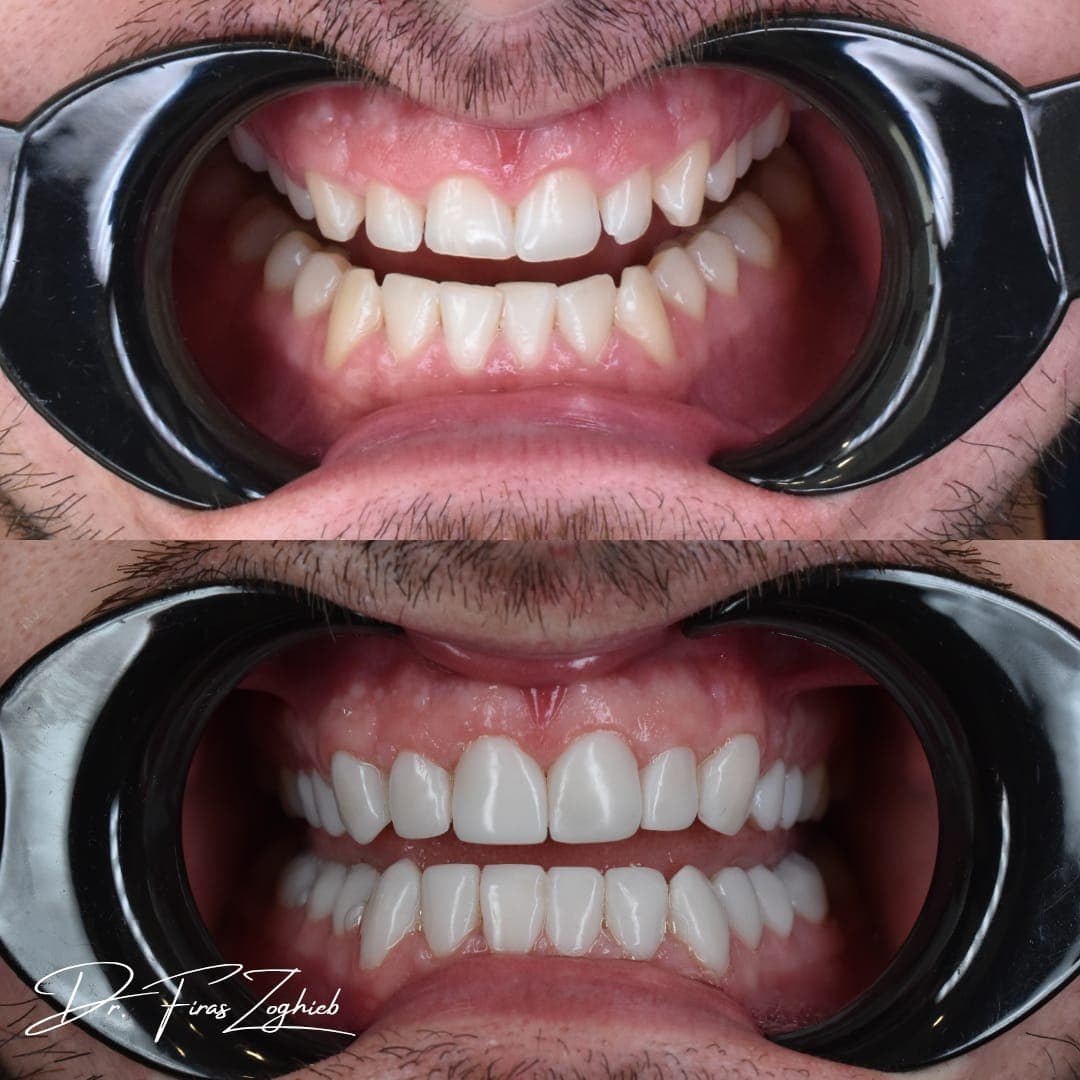
Composite bonding and dental crowns can both improve the appearance and function of damaged teeth, but they are very different treatments. Choosing between composite bonding vs crowns depends on the condition of the tooth, the amount of damage, your bite, and your cosmetic goals.
Composite bonding is often used for minor cosmetic improvements, while crowns are usually recommended when a tooth needs stronger structural protection. Understanding the difference can help you make a more confident decision during your dental consultation.
What Is Composite Bonding?
Composite bonding is a cosmetic dental treatment where tooth-coloured resin is applied directly to the tooth, shaped, hardened, and polished. It can improve small chips, gaps, uneven edges, worn teeth, and minor shape concerns.
In many cases, composite bonding is minimally invasive and requires little or no removal of natural tooth structure. This makes it a conservative option for patients who want natural-looking smile improvement.
What Is a Dental Crown?
A dental crown is a custom-made restoration that covers the whole visible part of the tooth. Crowns are often used when a tooth is heavily damaged, cracked, weakened, deeply filled, or has had root canal treatment.
Crowns can restore strength, shape, and appearance. They are usually made from materials such as porcelain, ceramic, zirconia, or porcelain fused to metal, depending on the case and tooth position.
Composite Bonding vs Crowns: Main Difference
The main difference is how much of the tooth is treated. Composite bonding is added to selected areas of the tooth, while a crown covers the entire tooth.
Bonding is usually chosen for smaller cosmetic issues. Crowns are chosen when the tooth needs more strength, protection, or full coverage.
When Is Composite Bonding a Good Option?
Composite bonding may be suitable when the tooth is generally healthy but needs cosmetic improvement. It is commonly used for minor chips, uneven edges, small gaps, or small shape corrections.
- Small chips on front teeth
- Minor gaps between teeth
- Uneven tooth edges
- Small teeth that need better shape
- Worn front tooth edges
- Minor discolouration
- Cosmetic smile improvements
- Patients who prefer a conservative treatment
When Is a Crown a Better Option?
A dental crown may be better when the tooth has lost a large amount of structure or needs stronger protection. Crowns are often recommended for teeth that are cracked, weakened, heavily restored, or at risk of breaking.
- Large tooth fractures
- Heavily filled teeth
- Teeth weakened after root canal treatment
- Severe tooth wear
- Large cavities
- Cracked teeth
- Teeth needing full coverage protection
- Back teeth exposed to strong chewing forces
Which Treatment Looks More Natural?
Both composite bonding and crowns can look natural when planned and performed carefully. Composite bonding can blend well with natural teeth for smaller repairs, while ceramic crowns can provide a highly aesthetic result for teeth needing full coverage.
The natural appearance depends on shade matching, tooth shape, material quality, polishing, gum harmony, and the dentist’s attention to detail.
Which Treatment Is More Conservative?
Composite bonding is usually more conservative because it often requires little or no removal of natural tooth structure. The resin is added to the tooth surface and shaped to improve appearance.
Crowns usually require more tooth preparation because the tooth must be shaped to allow the crown to fit properly. This is why crowns are generally used when the tooth needs more protection or reconstruction.
Which Treatment Lasts Longer?
Dental crowns usually last longer than composite bonding, especially when the tooth needs strength and protection. Composite bonding can last several years with proper care, but it may need polishing, repair, or replacement over time.
The lifespan of both treatments depends on oral hygiene, bite pressure, grinding habits, diet, material quality, and regular dental maintenance.
Composite Bonding vs Crowns for Chipped Teeth
For small chips, composite bonding is often enough to restore the tooth edge and improve appearance. It is commonly used for front tooth chips because it can be shaped and polished to look natural.
For large chips, deep fractures, or teeth with structural weakness, a crown may be recommended to protect the tooth and restore strength.
Composite Bonding vs Crowns for Worn Teeth
For mild to moderate wear on front teeth, composite bonding may help rebuild worn edges and improve the smile line. However, if tooth wear is severe or caused by heavy grinding, crowns or a more complete bite rehabilitation plan may be needed.
A dentist should assess the cause of tooth wear before choosing the treatment, because untreated grinding or bite problems can damage both bonding and crowns.
Composite Bonding vs Crowns for Front Teeth
For front teeth, composite bonding may be suitable for small cosmetic repairs, edge bonding, and minor shape improvements. Crowns may be used when the front tooth is badly damaged, weakened, darkened, or has had root canal treatment.
The best option depends on how much natural tooth structure remains and what level of protection is required.
Cost Difference Between Composite Bonding and Crowns
Composite bonding is often more affordable than dental crowns because it is usually completed directly on the tooth and may require less laboratory work. Crowns are generally more expensive because they involve custom fabrication and more detailed tooth preparation.
The final cost depends on the number of teeth treated, case complexity, materials used, and the treatment plan recommended after consultation.
Can Composite Bonding Replace a Crown?
Composite bonding cannot always replace a crown. If the tooth is heavily damaged or structurally weak, bonding may not provide enough strength or protection. In those cases, a crown may be the safer long-term option.
However, if the issue is mainly cosmetic and the tooth is healthy, bonding may be a suitable conservative alternative.
How to Choose the Right Treatment
The right choice depends on whether your tooth needs cosmetic enhancement, structural protection, or both. During a consultation, the dentist will assess the tooth condition, bite, gum health, smile goals, and long-term risks.
- Choose bonding for small cosmetic corrections
- Choose bonding for minor chips or uneven edges
- Choose crowns for weakened or heavily damaged teeth
- Choose crowns for teeth needing full coverage
- Consider your bite and grinding habits
- Consider how long you want the result to last
- Ask whether a conservative option is possible
Book a Cosmetic Dental Consultation in Dubai
If you are comparing composite bonding vs crowns, a dental consultation is the best way to know which treatment is right for your tooth. The dentist can examine your smile, check the strength of the tooth, and explain the most suitable options.
With the right treatment plan, both composite bonding and crowns can improve your smile while protecting your long-term dental health.
Frequently Asked Questions
Is composite bonding better than a crown?
Composite bonding may be better for small cosmetic issues, while a crown may be better for heavily damaged or weakened teeth. The best option depends on the tooth condition.
Do crowns last longer than composite bonding?
Crowns usually last longer than composite bonding, especially when the tooth needs strength and protection. Bonding may need polishing, repair, or replacement over time.
Can bonding fix a broken tooth?
Composite bonding can fix small to moderate chips or breaks. If the tooth is badly broken or weakened, a crown may be recommended.
Which is more affordable, bonding or crowns?
Composite bonding is often more affordable than crowns, but the final cost depends on the case, materials, and number of teeth treated.
Can a front tooth crown look natural?
Yes, a front tooth crown can look natural when the shade, shape, material, and gum line are carefully planned.