
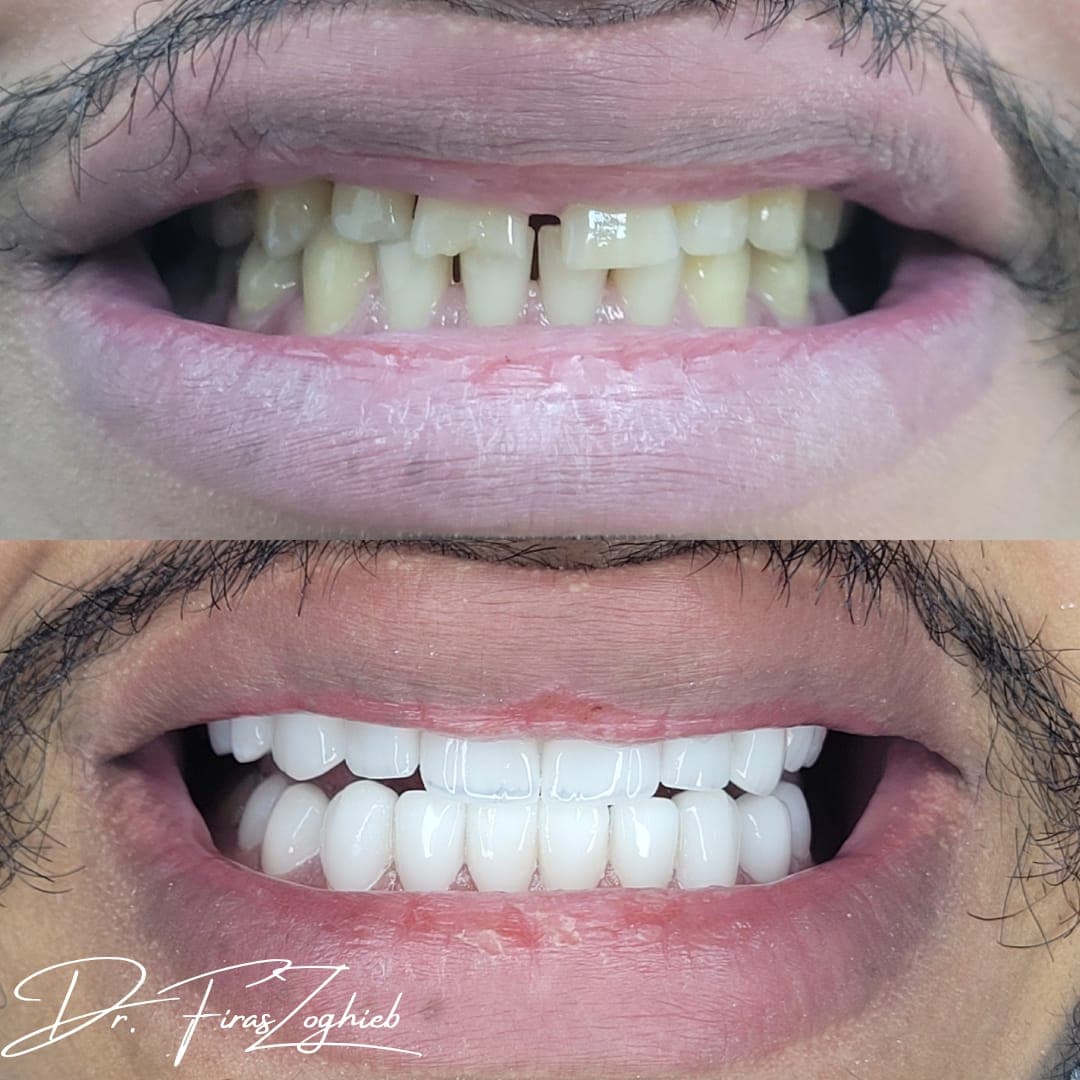
Composite Bonding vs Veneers: What Is the Difference?
Composite bonding and veneers are two popular cosmetic dental treatments used to improve the shape, color, and overall appearance of teeth. Both can help create a more confident smile, but they are not the same. The best choice depends on your teeth, goals, budget, and how long you want the result to last.
Composite bonding uses tooth-colored resin applied directly to the teeth, while veneers are thin custom-made shells, usually made from porcelain, that are bonded to the front surface of the teeth.
What Is Composite Bonding?
Composite bonding is a minimally invasive cosmetic treatment where the dentist applies a tooth-colored resin material to improve minor chips, gaps, uneven edges, discoloration, or tooth shape. The resin is shaped, hardened, and polished during the appointment.
One of the main advantages of composite bonding is that it usually requires little to no removal of natural tooth structure. It can often be completed in a single visit, making it a popular option for patients who want fast smile enhancement.
What Are Veneers?
Veneers are thin shells designed to cover the front surface of the teeth. They are commonly used to improve tooth color, shape, size, spacing, and symmetry. Porcelain veneers are especially popular because they can provide a highly aesthetic and long-lasting result.
Veneers usually require more planning than bonding and may involve preparation of the tooth surface. They are often chosen by patients who want a more complete smile transformation.
Composite Bonding vs Veneers: Appearance
Both treatments can create beautiful results when performed by an experienced cosmetic dentist. Composite bonding can look very natural for small improvements, especially when correcting chips, edges, or minor gaps.
Porcelain veneers often provide a more refined and consistent finish, especially for patients who want a full smile makeover. Veneers can mimic the translucency of natural enamel and may offer a more polished appearance for larger aesthetic changes.
Composite Bonding vs Veneers: Durability
Veneers generally last longer than composite bonding when properly maintained. Porcelain is stronger and more resistant to staining than composite resin. Composite bonding may need polishing, repair, or replacement over time, especially if the patient bites hard foods, grinds their teeth, or drinks staining beverages frequently.
However, bonding is easier to repair than veneers. Small chips or stains in bonding can often be corrected quickly, while damaged veneers may need replacement.
Composite Bonding vs Veneers: Treatment Time
Composite bonding is usually faster. In many cases, it can be completed in one appointment, depending on the number of teeth being treated. This makes it a good choice for patients who want a quick improvement before an event or special occasion.
Veneers usually take longer because they require consultation, smile design, tooth preparation, impressions or digital scans, laboratory fabrication, fitting, and final bonding. The extra planning can be worthwhile for patients looking for a more comprehensive transformation.
Composite Bonding vs Veneers: Cost
Composite bonding is generally more affordable than veneers. It can be a practical option for patients who want cosmetic improvement without committing to a higher-cost treatment.
Veneers usually cost more because they involve custom porcelain work, laboratory design, advanced planning, and a longer treatment process. While the initial cost is higher, veneers may offer better long-term value for patients who want durability and a more dramatic result.
Composite Bonding vs Veneers: Tooth Preparation
Composite bonding is often considered more conservative because it may require little or no enamel removal. This makes it attractive for patients who want a reversible or less invasive option.
Veneers may require a small amount of enamel preparation to create space and ensure a natural fit. Because of this, veneers are usually considered a more permanent treatment decision.
When Is Composite Bonding Better?
Composite bonding may be better if you want a faster, more affordable, and minimally invasive solution for small cosmetic concerns.
- Small chips or cracks
- Minor gaps between teeth
- Uneven tooth edges
- Slight shape improvements
- A quick smile refresh
- A more budget-friendly cosmetic option
When Are Veneers Better?
Veneers may be better if you want a longer-lasting, more complete smile transformation with a highly polished finish.
- More noticeable discoloration
- Multiple teeth needing aesthetic improvement
- A full smile makeover
- Longer-lasting cosmetic results
- Improved symmetry and proportions
- A more stain-resistant option
Which Option Looks More Natural?
Both composite bonding and veneers can look natural when carefully planned and performed by a skilled cosmetic dentist. Natural-looking results depend on shade selection, tooth shape, smile design, and how well the treatment suits your face.
For small corrections, bonding can blend beautifully with natural teeth. For a full smile transformation, veneers may provide a more consistent and premium aesthetic result.
Composite Bonding vs Veneers: Which Is Better?
There is no single answer that is right for everyone. Composite bonding is often better for patients who want a quick, conservative, and affordable improvement. Veneers are often better for patients who want a more durable, stain-resistant, and complete smile makeover.
The best way to decide is to have a cosmetic dental consultation. A dentist can examine your teeth, discuss your goals, and recommend whether bonding, veneers, whitening, Invisalign, or a combination of treatments is best for your smile.
Final Thoughts
Composite bonding and veneers can both improve your smile, but they serve different needs. Bonding is usually faster, more affordable, and less invasive, while veneers are usually more durable, stain-resistant, and suitable for bigger smile transformations.
If you are comparing composite bonding vs veneers, focus on your long-term goals, budget, expectations, and oral health. With the right cosmetic dentist, both options can help you achieve a confident, natural-looking smile.