
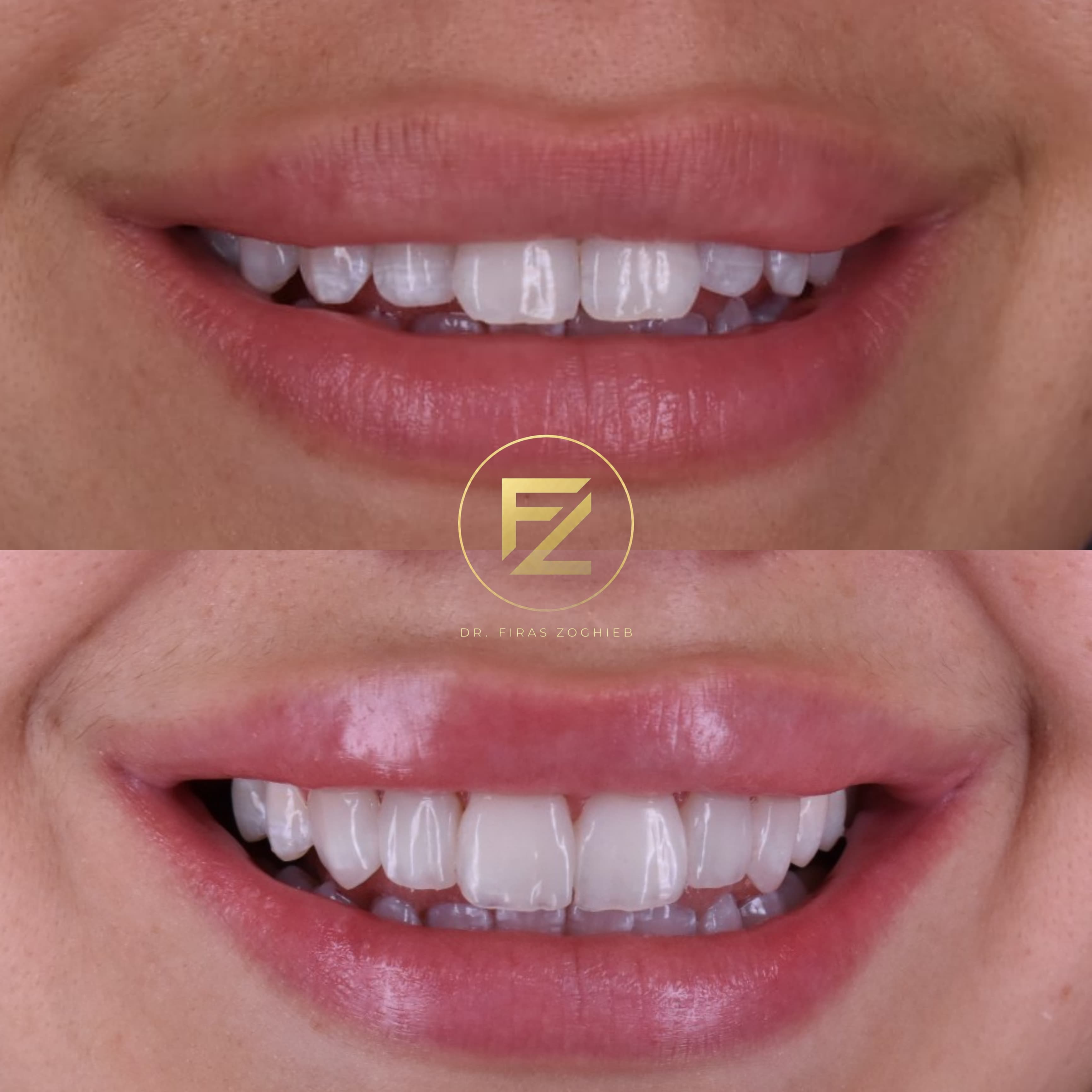
Edge composite bonding in Dubai is a cosmetic dental treatment used to repair chipped, worn, uneven, or rough tooth edges. It is especially popular for front teeth because even small changes to the tooth edge can make the smile look cleaner, smoother, and more balanced.
Using tooth-coloured composite resin, the dentist carefully rebuilds the missing or uneven edge of the tooth. The aim is to create a natural-looking result that blends with your existing teeth without making the smile look artificial.
What Is Edge Composite Bonding?
Edge composite bonding is a type of composite bonding focused mainly on the biting edges of the teeth. These edges may become chipped, short, uneven, or worn over time due to grinding, biting habits, trauma, or natural wear.
The dentist applies a tooth-coloured composite material to the affected edge, shapes it carefully, hardens it with a special light, and polishes it until it feels smooth and natural.
What Can Edge Composite Bonding Fix?
- Small chips on front teeth
- Worn tooth edges
- Uneven smile line
- Rough or sharp tooth edges
- Short-looking front teeth
- Minor cracks or edge irregularities
- Small differences in tooth length
- Old bonding that needs reshaping or repair
Why Do Tooth Edges Become Worn or Chipped?
Tooth edges can change over time for many reasons. Some patients notice small chips after biting hard food, while others develop worn edges gradually because of grinding or clenching.
- Teeth grinding or clenching
- Biting nails or hard objects
- Accidental tooth trauma
- Using teeth to open packaging
- Natural enamel wear
- Uneven bite pressure
- Acid erosion
- Old dental restorations
Who Is a Good Candidate for Edge Composite Bonding?
You may be a good candidate for edge composite bonding if you have healthy teeth and gums but want to improve small chips, worn edges, or uneven tooth lengths. It is often suitable for patients who want a conservative cosmetic treatment without veneers or crowns.
If the teeth are severely worn, heavily cracked, affected by decay, or exposed to strong grinding forces, your dentist may recommend treating the underlying problem before bonding.
Edge Composite Bonding Treatment Process
1. Smile and Bite Assessment
The dentist checks your teeth, gums, bite, and smile line. This helps confirm whether edge bonding is suitable and whether the tooth edges can be restored naturally.
2. Shade Matching
A composite shade is selected to match your natural teeth. This is important because edge bonding should blend smoothly with the rest of the tooth.
3. Tooth Preparation
The tooth surface is cleaned and prepared so the composite material can attach securely. In many cases, little or no drilling is needed.
4. Edge Shaping
The composite resin is applied to the tooth edge and shaped carefully to restore the missing length, smooth uneven areas, or repair small chips.
5. Hardening and Polishing
The composite is hardened with a special light, then polished and adjusted. The final result should feel smooth, comfortable, and balanced with your bite.
Benefits of Edge Composite Bonding
- Minimally invasive cosmetic treatment
- Natural-looking repair for chipped edges
- Can improve the smile line
- Often completed faster than veneers
- Helps smooth rough or sharp edges
- Can restore worn-looking front teeth
- Can be repaired or adjusted if needed
- Preserves more natural tooth structure
Does Edge Composite Bonding Look Natural?
Yes, edge composite bonding can look very natural when it is planned and polished carefully. The dentist must match the colour, shape, edge thickness, and surface texture of the natural tooth.
A good result should not look bulky or obvious. The bonded edge should blend with your smile and feel comfortable when you bite.
Edge Bonding vs Full Composite Bonding
Edge bonding focuses mainly on repairing or improving the edges of the teeth. Full composite bonding may involve reshaping a larger part of the tooth surface to improve colour, width, length, or overall smile design.
If your concern is only a small chip or uneven edge, edge bonding may be enough. If you want a wider smile transformation, full composite bonding, veneers, whitening, or Invisalign may be considered.
Edge Composite Bonding vs Veneers
Edge composite bonding is usually more conservative than veneers because it focuses only on the affected edge of the tooth. Veneers may be better when the patient wants to improve the full front surface of the teeth, including colour, shape, size, and alignment.
The right option depends on the condition of your teeth, the amount of damage, your smile goals, and how long you want the result to last.
How Long Does Edge Composite Bonding Last?
Edge composite bonding can last for several years with good care, but it may need polishing, repair, or replacement over time. Because the bonding is placed on the tooth edge, it can be exposed to biting forces and may chip if the patient bites hard objects or grinds their teeth.
Regular dental checkups and careful daily habits can help protect the bonding and maintain the result.
How to Care for Edge Composite Bonding
- Avoid biting hard foods directly with bonded front teeth
- Do not bite nails, pens, or hard objects
- Avoid using your teeth to open packaging
- Brush and floss daily
- Limit staining drinks such as coffee and tea
- Book regular dental cleaning and polishing
- Wear a night guard if you grind your teeth
- Visit your dentist if the bonding feels rough or chips
When Is Edge Bonding Not Enough?
Edge bonding may not be enough if the tooth is severely worn, deeply cracked, affected by decay, or damaged close to the nerve. It may also not be suitable if heavy grinding or bite problems are not controlled.
In these cases, your dentist may recommend other options such as veneers, crowns, bite adjustment, Invisalign, or a night guard.
Book Edge Composite Bonding in Dubai
If you have chipped, worn, or uneven tooth edges, edge composite bonding in Dubai may help restore a smoother and more natural-looking smile. A consultation allows the dentist to assess your teeth, check your bite, and recommend the most suitable treatment.
With careful shaping and polishing, edge composite bonding can make small but powerful improvements to your smile while preserving your natural teeth.
Frequently Asked Questions
What is edge composite bonding?
Edge composite bonding is a cosmetic dental treatment that repairs or reshapes the biting edges of the teeth using tooth-coloured composite resin.
Can edge bonding fix chipped front teeth?
Yes, edge bonding is commonly used to repair small chips on front teeth and restore a smoother tooth edge.
Is edge composite bonding painful?
Edge composite bonding is usually comfortable and minimally invasive. In many cases, it does not require injections or major drilling.
How long does edge bonding last?
Edge bonding can last several years with proper care, but it may need polishing or repair over time, especially if exposed to hard biting or grinding.
Can edge bonding look natural?
Yes, when the composite shade, shape, and polish are carefully matched, edge bonding can blend naturally with the surrounding teeth.