
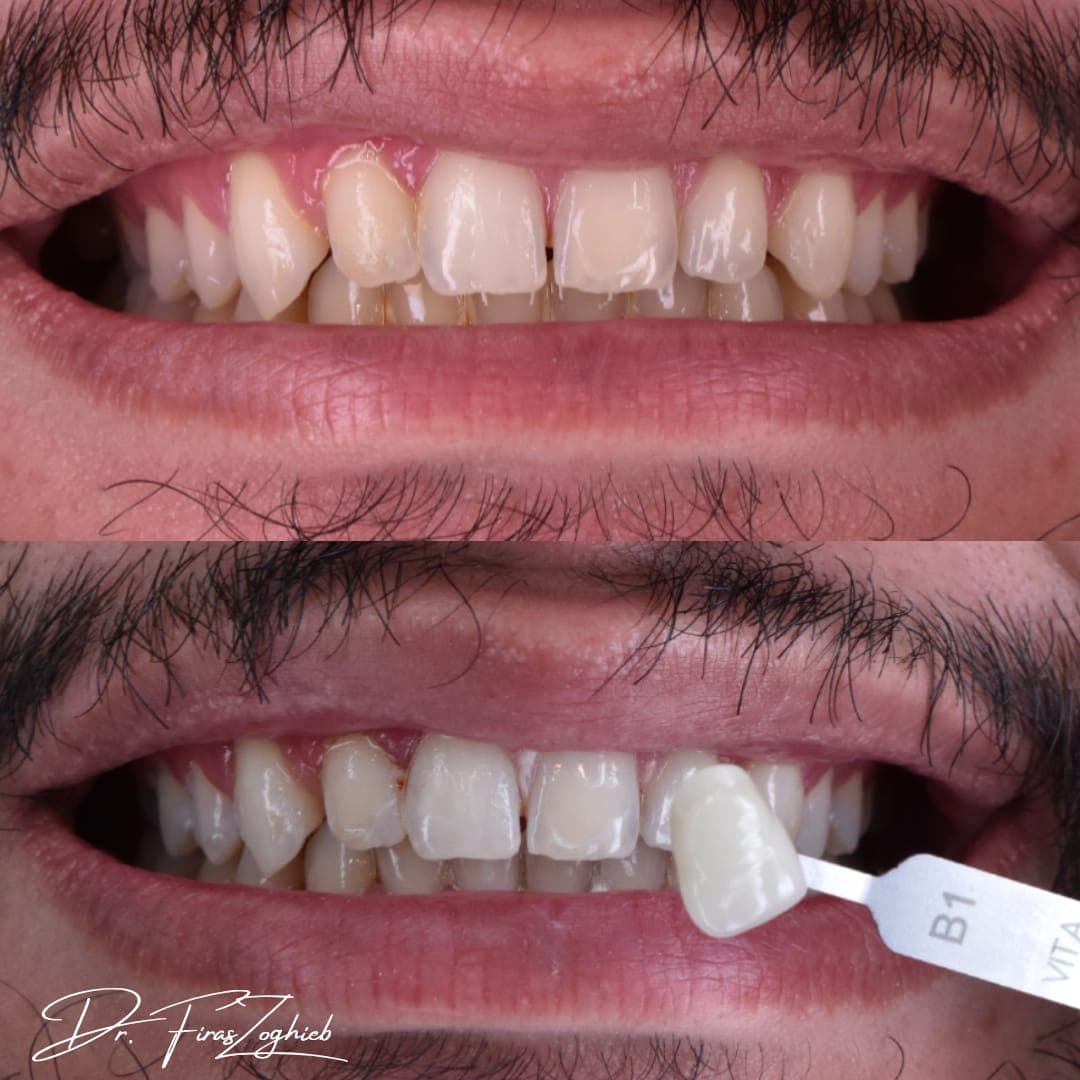
Porcelain veneers are one of the most popular cosmetic dental treatments for improving tooth colour, shape, size, and smile balance. Many patients choose veneers because they can create a natural-looking smile transformation with long-lasting results.
A common question before treatment is: how long do porcelain veneers last? The answer depends on several factors, including oral hygiene, bite pressure, grinding habits, veneer quality, and how well the veneers are maintained over time.
How Long Can Porcelain Veneers Last?
Porcelain veneers commonly last around 10 to 15 years with proper care, and some patients may keep them for longer. However, veneers are not considered lifetime restorations, and they may eventually need replacement.
The lifespan of veneers can vary from patient to patient. A patient with excellent oral hygiene, a stable bite, and regular dental checkups may enjoy longer-lasting results than someone who grinds their teeth or bites hard objects.
What Affects the Lifespan of Porcelain Veneers?
Porcelain is a strong and aesthetic material, but veneer longevity still depends on daily habits and proper dental care. Small lifestyle choices can make a big difference over the years.
- Oral hygiene routine
- Regular dental checkups
- Teeth grinding or clenching
- Bite pressure and alignment
- Using teeth to open packaging
- Biting nails or hard objects
- Veneer material quality
- Dentist’s planning and bonding technique
- Gum health
- Diet and lifestyle habits
Do Porcelain Veneers Stain?
Porcelain veneers are more stain-resistant than natural teeth and composite bonding. However, the natural teeth around the veneers can still stain, and the edges around veneers need proper cleaning to stay healthy.
To keep your smile looking consistent, it is important to maintain good oral hygiene and attend regular professional cleaning appointments.
Can Porcelain Veneers Chip or Break?
Porcelain veneers are durable, but they can still chip, crack, or come loose if exposed to strong force. This may happen from biting hard objects, teeth grinding, trauma, or using teeth as tools.
If a veneer chips or feels loose, you should visit your dentist as soon as possible. Depending on the damage, the veneer may need repair, polishing, rebonding, or replacement.
How to Make Porcelain Veneers Last Longer
Good care can help protect your veneers and maintain a natural-looking smile. Veneers should be treated like natural teeth, with extra attention to avoiding habits that place pressure on them.
- Brush twice daily
- Floss every day
- Use a soft toothbrush
- Avoid biting hard objects
- Do not open packaging with your teeth
- Avoid nail biting and pen chewing
- Wear a night guard if you grind your teeth
- Attend regular dental checkups
- Book professional cleaning appointments
- Visit your dentist if a veneer feels rough, loose, or uncomfortable
Do You Need a Night Guard After Veneers?
If you grind or clench your teeth, your dentist may recommend a custom night guard after veneers. Grinding can place strong pressure on veneers and may increase the risk of chips, cracks, or debonding.
A night guard helps protect both the veneers and the natural teeth underneath, especially during sleep.
When Do Veneers Need to Be Replaced?
Porcelain veneers may need replacement if they become chipped, cracked, loose, worn, outdated in appearance, or if the gum line changes over time. Replacement may also be needed if decay develops around the veneer margins.
Regular dental visits help detect early issues before they become more serious. In some cases, minor adjustments may be enough, while in others a new veneer may be recommended.
Signs Your Veneers May Need Attention
- A veneer feels loose
- A veneer has chipped or cracked
- The bite feels uncomfortable
- There is sensitivity around a veneered tooth
- The gum line has changed
- The veneer edge feels rough
- The colour no longer matches your smile
- There is discomfort when biting
Porcelain Veneers vs Composite Bonding: Which Lasts Longer?
Porcelain veneers usually last longer than composite bonding. Veneers are made from ceramic material, while composite bonding uses tooth-coloured resin applied directly to the tooth.
Composite bonding can be a conservative and affordable option for smaller improvements, while porcelain veneers may be better for patients who want a longer-lasting cosmetic smile transformation.
Are Porcelain Veneers Permanent?
Porcelain veneers are often considered a long-term treatment because some tooth preparation may be required. Once the teeth are prepared, they usually need to remain covered with veneers or another suitable restoration.
This is why careful planning is important before starting veneer treatment. Your dentist should explain the process, benefits, limitations, and maintenance requirements clearly.
How to Keep Veneers Looking Natural
Long-lasting veneers should not only stay strong, but also continue to look natural. Proper shade selection, gum health, regular cleaning, and good maintenance all help preserve the appearance of your smile.
- Choose a natural veneer shade
- Maintain healthy gums
- Avoid habits that damage veneers
- Keep regular polishing and cleaning appointments
- Protect veneers from grinding
- Avoid overly aggressive brushing
- Follow your dentist’s aftercare instructions
Book a Veneers Consultation in Dubai
If you are considering porcelain veneers in Dubai, a consultation can help you understand how long veneers may last in your case and what type of care you will need after treatment.
With careful planning, high-quality materials, and proper maintenance, porcelain veneers can provide a beautiful and natural-looking smile for many years.
Frequently Asked Questions
How many years do porcelain veneers last?
Porcelain veneers commonly last around 10 to 15 years with proper care, although some patients may keep them for longer.
Do porcelain veneers last forever?
No, porcelain veneers do not last forever. They are long-lasting restorations, but they may eventually need replacement.
Can veneers fall off?
A veneer can come loose if the bond weakens, if there is strong bite pressure, trauma, decay, or improper use of the teeth. If this happens, visit your dentist promptly.
Do veneers stain like natural teeth?
Porcelain veneers are stain-resistant, but the surrounding natural teeth and veneer margins still need proper cleaning and maintenance.
How can I protect my veneers?
Brush, floss, attend regular dental checkups, avoid biting hard objects, and wear a night guard if your dentist recommends one.