
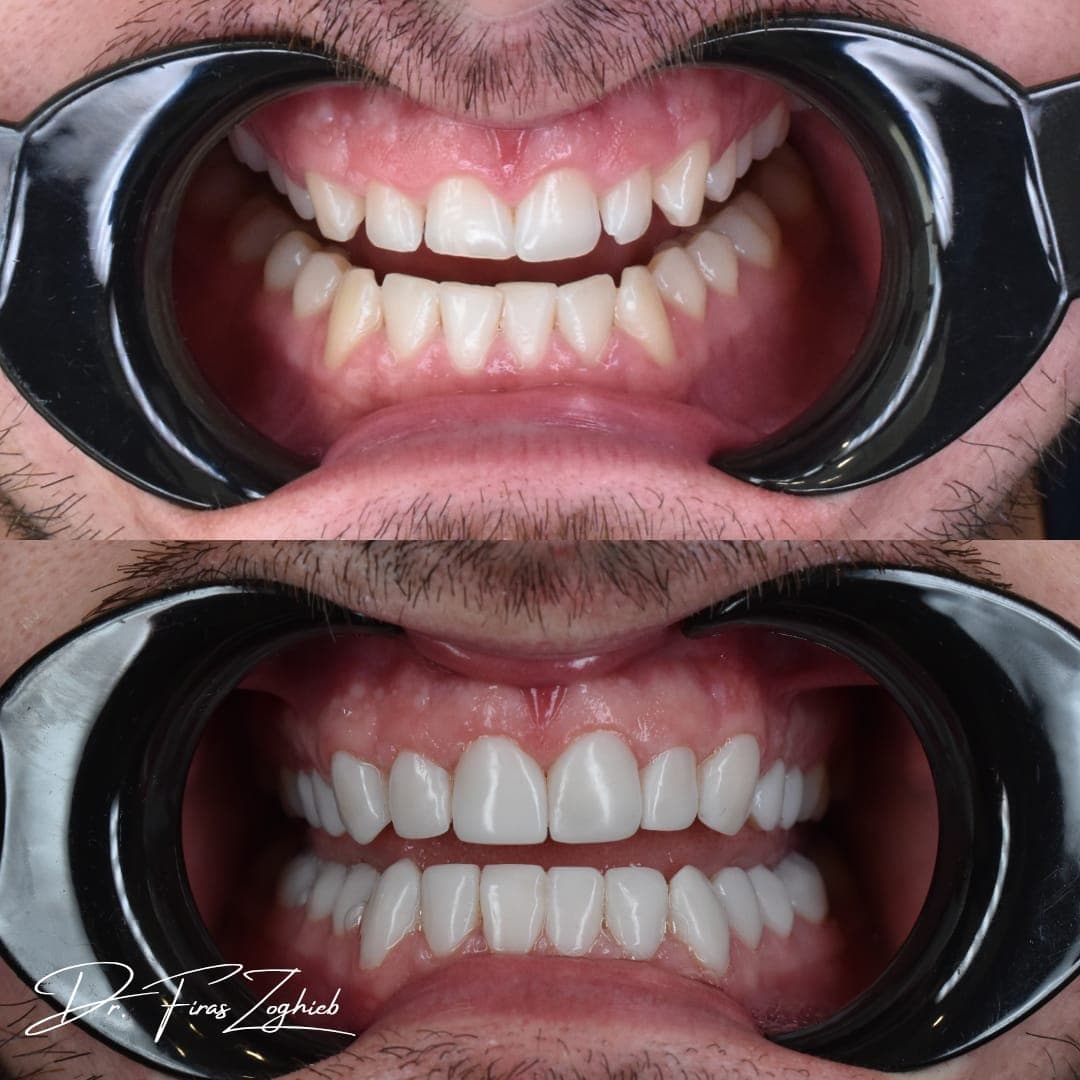
Composite bonding is a popular cosmetic dental treatment for improving chipped, uneven, stained, or gapped teeth. One of the most common questions patients ask before treatment is: how long does composite bonding last?
In many cases, composite bonding can last several years with proper care. The exact lifespan depends on your oral hygiene, bite, diet, habits, and how well the bonding is maintained over time.
How Long Can Composite Bonding Last?
Composite bonding commonly lasts around 3 to 7 years, but this can vary from patient to patient. Some patients may need polishing or small repairs earlier, while others can maintain their bonding for longer with excellent care.
Bonding on front teeth may need more attention because these teeth are used daily for biting and are highly visible when smiling or speaking. Regular dental checkups help keep the bonding smooth, polished, and natural-looking.
What Affects the Lifespan of Composite Bonding?
The lifespan of composite bonding depends on several factors. While the material is durable, it is not as strong as natural enamel or porcelain veneers, so daily habits can make a big difference.
- Your oral hygiene routine
- The number of bonded teeth
- The size and location of the bonding
- Biting habits and bite pressure
- Teeth grinding or clenching
- Diet and staining drinks
- Smoking or tobacco use
- Regular dental cleaning and polishing
- The quality of the bonding material and technique
Does Composite Bonding Stain Over Time?
Yes, composite bonding can stain over time, especially with frequent coffee, tea, smoking, or dark-coloured foods and drinks. Unlike natural enamel, composite resin does not whiten with teeth whitening treatment.
This is why many dentists recommend whitening your natural teeth before bonding if you want a brighter smile. After bonding is completed, the composite shade will stay the same unless it is polished, repaired, or replaced.
Can Composite Bonding Chip or Break?
Composite bonding can chip if exposed to strong pressure, hard foods, nail biting, teeth grinding, or accidental trauma. Small chips can often be repaired, depending on the condition of the bonded tooth.
Patients with heavy grinding or clenching may be advised to wear a night guard to protect the bonding and reduce the risk of damage.
How to Make Composite Bonding Last Longer
Good aftercare can help extend the life of composite bonding and keep your smile looking natural. The most important step is to treat bonded teeth carefully and avoid habits that place unnecessary pressure on them.
- Brush twice daily with a gentle technique
- Floss every day to protect gum health
- Avoid biting nails, pens, or hard objects
- Do not use your teeth to open packaging
- Limit coffee, tea, and staining drinks
- Rinse with water after dark-coloured drinks
- Book regular dental cleaning and polishing
- Wear a night guard if you grind your teeth
- Visit your dentist if bonding feels rough or chipped
When Does Composite Bonding Need Repair?
Composite bonding may need repair if it becomes chipped, stained, rough, uneven, or no longer blends naturally with your smile. Sometimes a simple polish is enough, while other cases may need partial repair or full replacement.
You should book a dental visit if you notice sharp edges, colour changes, small cracks, or discomfort when biting.
Composite Bonding Maintenance Appointments
Maintenance appointments are important for keeping composite bonding in good condition. During these visits, the dentist can check the bonding, polish the surface, assess your bite, and identify small issues before they become bigger problems.
For patients who have bonding on several front teeth, regular polishing can help maintain a smooth and bright appearance.
Is Composite Bonding Permanent?
Composite bonding is not considered permanent. It can last for years, but it may need maintenance, repair, or replacement over time. This is normal because the resin material can wear, stain, or chip depending on daily use.
One benefit of composite bonding is that it can often be repaired more easily than some other cosmetic dental treatments.
Composite Bonding vs Veneers: Which Lasts Longer?
Porcelain veneers usually last longer than composite bonding, but they are also a different type of treatment. Veneers are ceramic restorations, while composite bonding uses tooth-coloured resin applied directly to the tooth.
Composite bonding may be better for smaller cosmetic changes and patients who want a conservative option. Veneers may be better for larger smile makeovers or patients looking for a longer-lasting ceramic solution.
Who Gets the Longest-Lasting Results?
Patients who maintain good oral hygiene, avoid hard biting habits, attend regular dental appointments, and protect their teeth from grinding usually get the longest-lasting results from composite bonding.
The dentist’s planning and technique also matter. Careful shade selection, shaping, polishing, and bite adjustment can help the bonding look better and last longer.
Book a Composite Bonding Consultation in Dubai
If you are considering composite bonding in Dubai, a consultation can help you understand whether the treatment is suitable for your teeth and how long you can expect the results to last.
With proper planning and aftercare, composite bonding can be a natural-looking and conservative way to improve your smile.
Frequently Asked Questions
How many years does composite bonding last?
Composite bonding often lasts around 3 to 7 years, but this depends on oral hygiene, diet, bite habits, grinding, and maintenance.
Can composite bonding last 10 years?
In some cases, bonding may last longer with excellent care, but many patients need polishing, repair, or replacement before 10 years.
Does composite bonding need maintenance?
Yes. Regular cleaning, polishing, and dental checkups help maintain the appearance and smoothness of composite bonding.
Can stained composite bonding be whitened?
Composite bonding does not whiten like natural teeth. If it becomes stained, it may need polishing, repair, or replacement.
What makes composite bonding fail faster?
Biting hard objects, nail biting, teeth grinding, smoking, poor oral hygiene, and lack of maintenance can reduce the lifespan of composite bonding.