
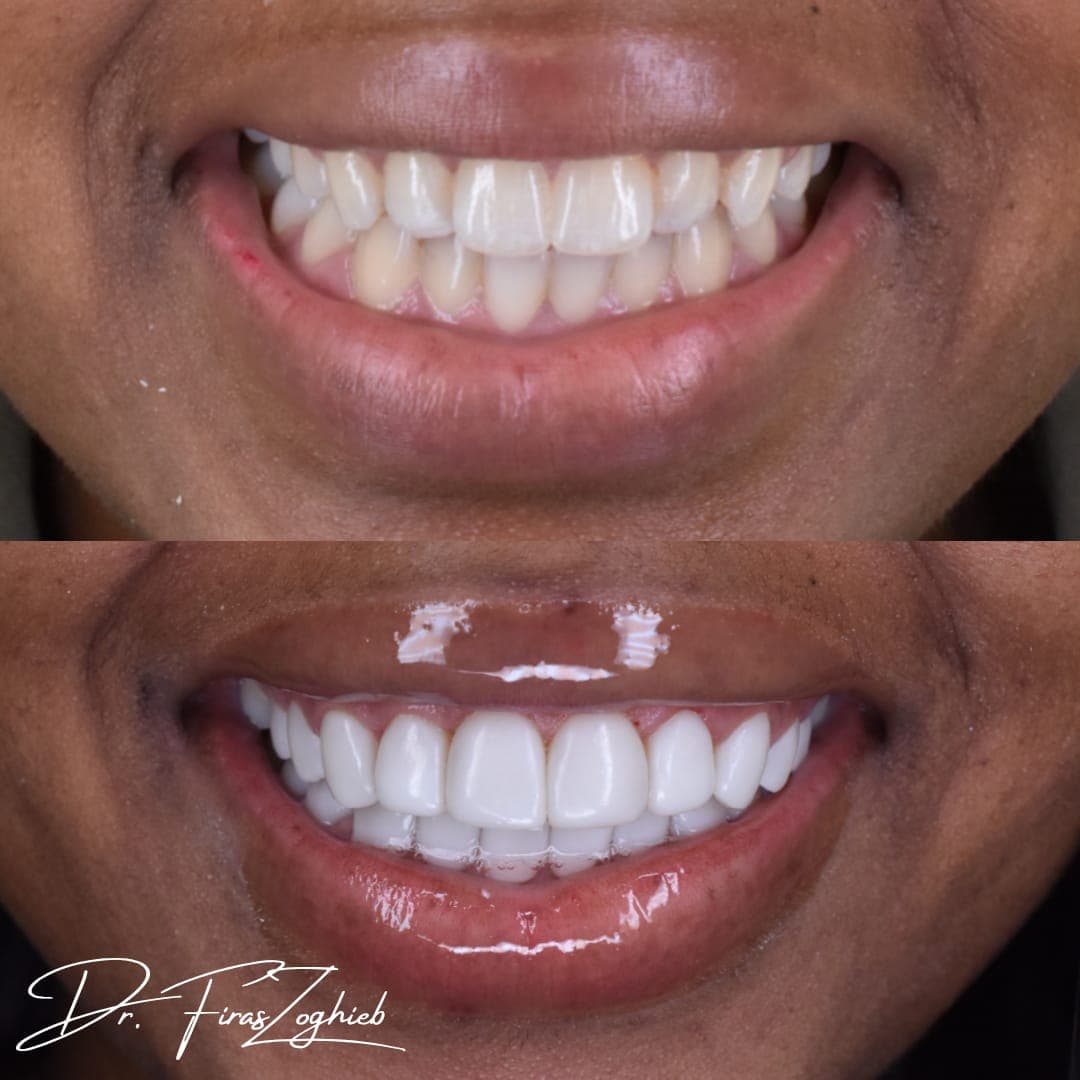
Composite bonding can improve chipped, uneven, stained, or gapped teeth with natural-looking results. After treatment, proper care is important to keep the bonding smooth, bright, and comfortable for as long as possible.
Although composite bonding is durable, it still needs good daily habits and regular dental maintenance. The way you brush, eat, drink, and protect your teeth can affect how long the bonding lasts and how natural it continues to look.
Why Composite Bonding Maintenance Matters
Composite bonding uses tooth-coloured resin that is shaped and polished onto the tooth surface. This material can look very natural, but it may stain, chip, or lose shine over time if it is not cared for properly.
Good maintenance helps protect the bonding, reduce the risk of damage, and keep your smile looking clean and balanced.
How to Care for Composite Bonding Every Day
Daily care is the foundation of long-lasting composite bonding. You do not need a complicated routine, but you should be consistent and gentle with your teeth.
- Brush your teeth twice daily
- Use a soft toothbrush
- Floss every day
- Clean carefully around the gum line
- Avoid aggressive brushing
- Use toothpaste recommended by your dentist
- Rinse with water after staining drinks
- Book regular dental cleaning appointments
Foods and Drinks to Be Careful With
Composite bonding can stain over time, especially if you regularly consume dark-coloured drinks or highly pigmented foods. You do not always need to avoid them completely, but reducing exposure can help maintain the colour.
- Coffee
- Tea
- Red-coloured beverages
- Dark sauces
- Turmeric-based foods
- Cola drinks
- Berries
- Smoking or tobacco products
After drinking coffee, tea, or coloured drinks, rinsing with water can help reduce staining. Regular polishing can also help keep the bonding surface smoother and cleaner.
Habits That Can Damage Composite Bonding
Bonded teeth should not be used as tools. Strong pressure can chip or weaken the composite material, especially on front teeth.
- Biting nails
- Chewing pens
- Opening packages with your teeth
- Biting ice
- Chewing very hard sweets
- Using front teeth to bite hard foods
- Grinding or clenching teeth
- Ignoring rough edges or small chips
Can You Whiten Composite Bonding?
Composite bonding does not whiten in the same way as natural teeth. If you use teeth whitening after bonding, your natural teeth may become lighter, but the bonded areas will usually stay the same shade.
For this reason, if you want a brighter smile, teeth whitening is usually recommended before composite bonding. The dentist can then match the bonding material to your new tooth shade.
Do You Need Polishing After Composite Bonding?
Yes, polishing is an important part of composite bonding maintenance. Over time, bonded teeth may lose some shine or collect surface stains. Professional polishing can help refresh the appearance and make the surface feel smooth again.
Your dentist can advise how often polishing is needed based on your diet, oral hygiene, and the number of bonded teeth.
How Often Should You Visit the Dentist?
Regular dental checkups are important after composite bonding. During these visits, the dentist can check the condition of the bonding, polish the surface, adjust the bite if needed, and detect small problems early.
Patients with bonding on several front teeth may benefit from more regular maintenance to keep the smile looking even and natural.
What If Composite Bonding Chips?
If composite bonding chips, cracks, or feels rough, you should book a dental appointment. In many cases, small chips can be repaired or polished without replacing the entire bonding.
Avoid trying to smooth or fix the bonding at home. This can damage the tooth or make the problem worse.
Should You Wear a Night Guard?
If you grind or clench your teeth, your dentist may recommend a night guard. Grinding can place strong pressure on bonded teeth and may cause chips, cracks, or faster wear.
A custom night guard can help protect both the bonding and your natural teeth while you sleep.
How to Keep Composite Bonding Looking Natural
A natural-looking result depends on both the dentist’s technique and your aftercare. Shade matching, shaping, and polishing are important during treatment, but maintenance keeps the result looking fresh over time.
- Keep regular cleaning appointments
- Polish bonded teeth when recommended
- Avoid stain-heavy habits
- Protect teeth from grinding
- Avoid biting hard objects
- Maintain healthy gums
- Fix small chips early
- Follow your dentist’s aftercare advice
When Should Composite Bonding Be Replaced?
Composite bonding may need replacement if it becomes heavily stained, repeatedly chips, loses shape, or no longer blends with the surrounding teeth. Sometimes only a small repair is needed, while other cases may require full replacement.
Your dentist can assess whether polishing, repair, or replacement is the best option.
Book a Composite Bonding Maintenance Visit in Dubai
If you already have composite bonding or are planning treatment, maintenance should be part of your smile care plan. Regular checkups and professional polishing can help protect your results and keep your smile looking natural.
With the right care, composite bonding can remain a beautiful and conservative way to enhance your smile.
Frequently Asked Questions
Can I brush composite bonding normally?
Yes. You should brush bonded teeth twice daily using a gentle technique and a soft toothbrush. Avoid aggressive brushing, especially near the gum line.
Can composite bonding stain?
Yes, composite bonding can stain over time, especially with coffee, tea, smoking, and dark-coloured foods. Regular polishing can help maintain the appearance.
How often should composite bonding be polished?
The frequency depends on your habits and the condition of the bonding. Your dentist can recommend a suitable polishing schedule during your checkup.
Can I eat normally after composite bonding?
Yes, but you should avoid biting hard objects or using your bonded teeth as tools. This helps reduce the risk of chips or cracks.
What should I do if my bonding feels rough?
Book a dental appointment. Rough bonding may need polishing, smoothing, or repair to restore comfort and appearance.