
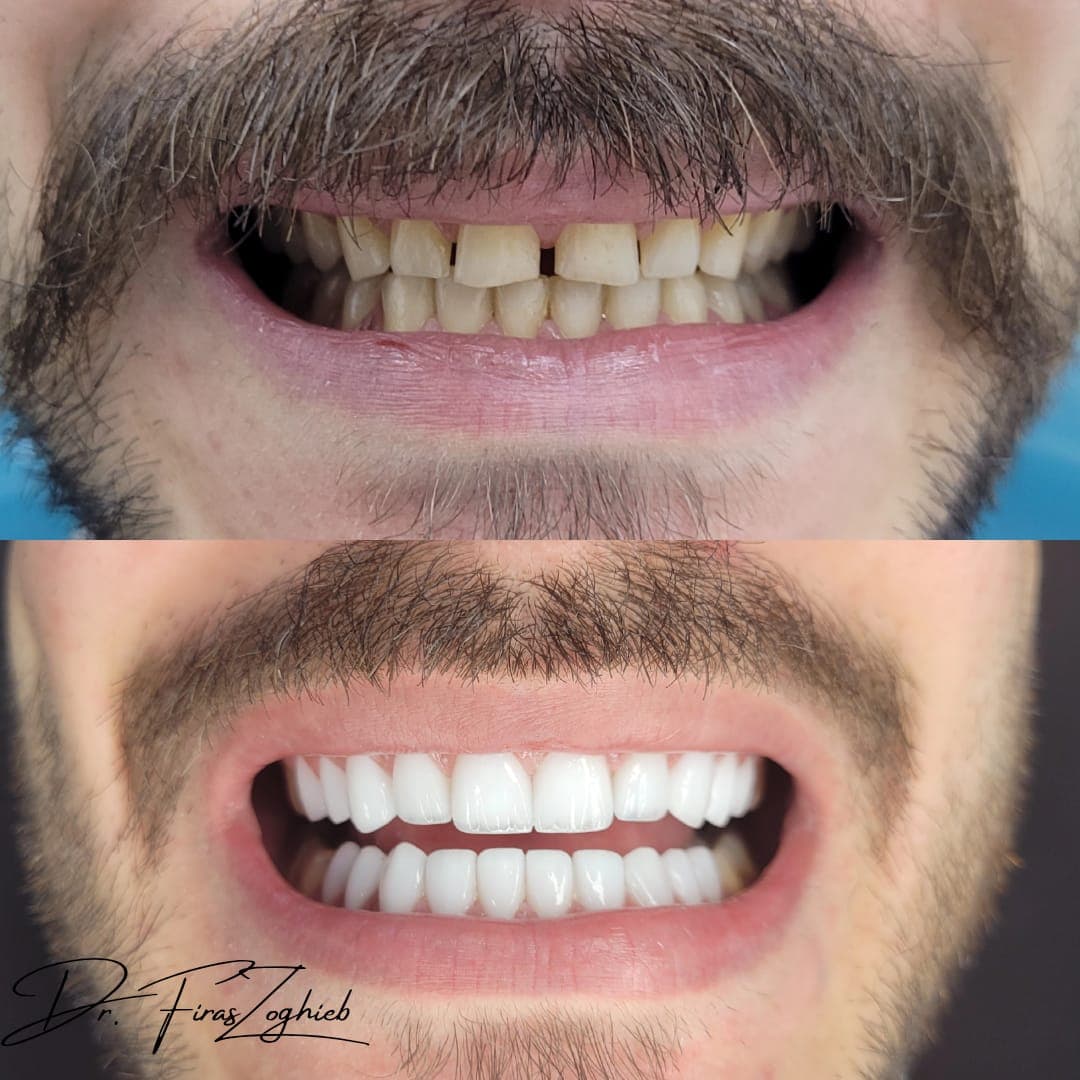
Many patients interested in improving their smile ask the same question before treatment: is composite bonding painful? The good news is that composite bonding is usually a comfortable and minimally invasive cosmetic dental treatment.
In many cases, composite bonding does not require drilling, injections, or major changes to the natural tooth structure. This makes it a popular option for patients who want to repair chipped teeth, close small gaps, or improve tooth shape with minimal discomfort.
Is Composite Bonding Painful?
Composite bonding is usually not painful. The treatment is performed on the outer surface of the tooth using tooth-coloured resin. Since the procedure often does not involve deep tooth preparation, many patients feel little to no discomfort during treatment.
However, every case is different. If the tooth has decay, a deep crack, sensitivity, or previous damage, the dentist may need to manage those issues before or during the bonding procedure.
Do You Need Anaesthesia for Composite Bonding?
In many cosmetic bonding cases, anaesthesia is not needed. This is because the treatment usually involves adding composite resin to the tooth surface rather than removing a large amount of tooth structure.
Anaesthesia may be recommended if the bonding is being used to repair a tooth with decay, deep damage, or sensitivity. Your dentist will explain this during your consultation.
What Does Composite Bonding Feel Like During Treatment?
During composite bonding, you may feel the dentist cleaning, drying, shaping, and polishing the tooth. You may also feel pressure or vibration during the polishing stage, but this should not usually be painful.
The dentist applies the composite material, shapes it carefully, hardens it with a special light, and polishes it until it feels smooth and natural.
Can Teeth Feel Sensitive After Composite Bonding?
Some patients may feel mild sensitivity after composite bonding, especially if the tooth was already sensitive before treatment. Sensitivity may also happen if the bonding is close to the gum line or if the bite needs small adjustment.
This sensitivity is usually temporary. If discomfort continues, feels sharp, or affects chewing, you should contact your dentist for an assessment.
Why Might Composite Bonding Feel Uncomfortable?
Composite bonding itself is usually comfortable, but discomfort may happen in certain situations. This is why a proper dental examination is important before starting cosmetic treatment.
- The tooth has existing decay
- The tooth is cracked or deeply chipped
- There is gum inflammation
- The patient already has sensitive teeth
- The bonding feels high when biting
- There is teeth grinding or clenching
- The tooth needs additional restorative treatment
What Happens If the Bonding Feels High?
After composite bonding, your bite should feel comfortable. If the bonded tooth feels too high when you close your mouth or chew, it may need a small adjustment.
A high bite can cause pressure, tenderness, or discomfort. This is usually simple for the dentist to adjust by polishing and reshaping the bonding slightly.
Is Composite Bonding Suitable for Nervous Patients?
Composite bonding can be a good option for nervous patients because it is often quick, conservative, and minimally invasive. Many patients feel reassured when they understand that the treatment usually does not involve major drilling or surgery.
If you feel anxious about dental treatment, tell your dentist before the appointment. The dentist can explain each step, work at a comfortable pace, and help you feel more relaxed.
Composite Bonding Process Step by Step
1. Consultation and Tooth Check
The dentist checks your teeth, gums, bite, and smile goals. This step helps confirm whether composite bonding is suitable and whether any dental problems need treatment first.
2. Shade Matching
A tooth-coloured composite shade is selected to match your natural teeth. This helps the bonding blend smoothly with your smile.
3. Tooth Preparation
The tooth surface is cleaned and prepared so the composite resin can attach securely. In many cases, little or no drilling is needed.
4. Composite Application
The composite resin is applied and shaped carefully to improve the tooth’s appearance. The dentist may build the material in layers for a more natural result.
5. Hardening and Polishing
A special light is used to harden the composite. The tooth is then polished and adjusted so it feels smooth and comfortable.
How to Reduce Sensitivity After Composite Bonding
- Avoid very hot or very cold foods for the first period if your teeth feel sensitive
- Use a soft toothbrush and gentle brushing technique
- Avoid biting hard objects with bonded teeth
- Follow your dentist’s aftercare instructions
- Book a follow-up if the bite feels uncomfortable
- Wear a night guard if you grind your teeth
- Maintain regular dental cleaning and checkups
When Should You Contact Your Dentist?
You should contact your dentist if you feel ongoing pain, sharp sensitivity, discomfort when biting, swelling, or if the bonding feels rough or chipped. These signs may mean the tooth or bonding needs adjustment.
Most minor issues can be managed with polishing, bite adjustment, or repair, but it is important not to ignore discomfort.
Book a Composite Bonding Consultation in Dubai
If you are worried about pain during composite bonding, a consultation can help you understand what to expect. The dentist can examine your teeth, explain the procedure, and recommend the most comfortable treatment approach for your case.
For many patients, composite bonding is a comfortable way to improve chipped, uneven, or gapped teeth while keeping the result natural and conservative.
Frequently Asked Questions
Does composite bonding hurt?
Composite bonding usually does not hurt. Many cases are minimally invasive and do not require injections or deep drilling.
Will I need an injection for composite bonding?
In many cosmetic bonding cases, an injection is not needed. Anaesthesia may be used if the tooth has decay, deep damage, or sensitivity.
Is sensitivity normal after bonding?
Mild sensitivity can happen in some cases, especially if the tooth was already sensitive. If sensitivity continues or becomes painful, visit your dentist.
Can I eat after composite bonding?
Yes, but it is better to avoid biting hard foods or objects with bonded teeth. Your dentist may give specific aftercare advice based on your case.
What if my bonded tooth hurts when I bite?
Pain when biting may mean the bonding is slightly high or the tooth needs assessment. A dentist can usually adjust the bite and check the tooth.