
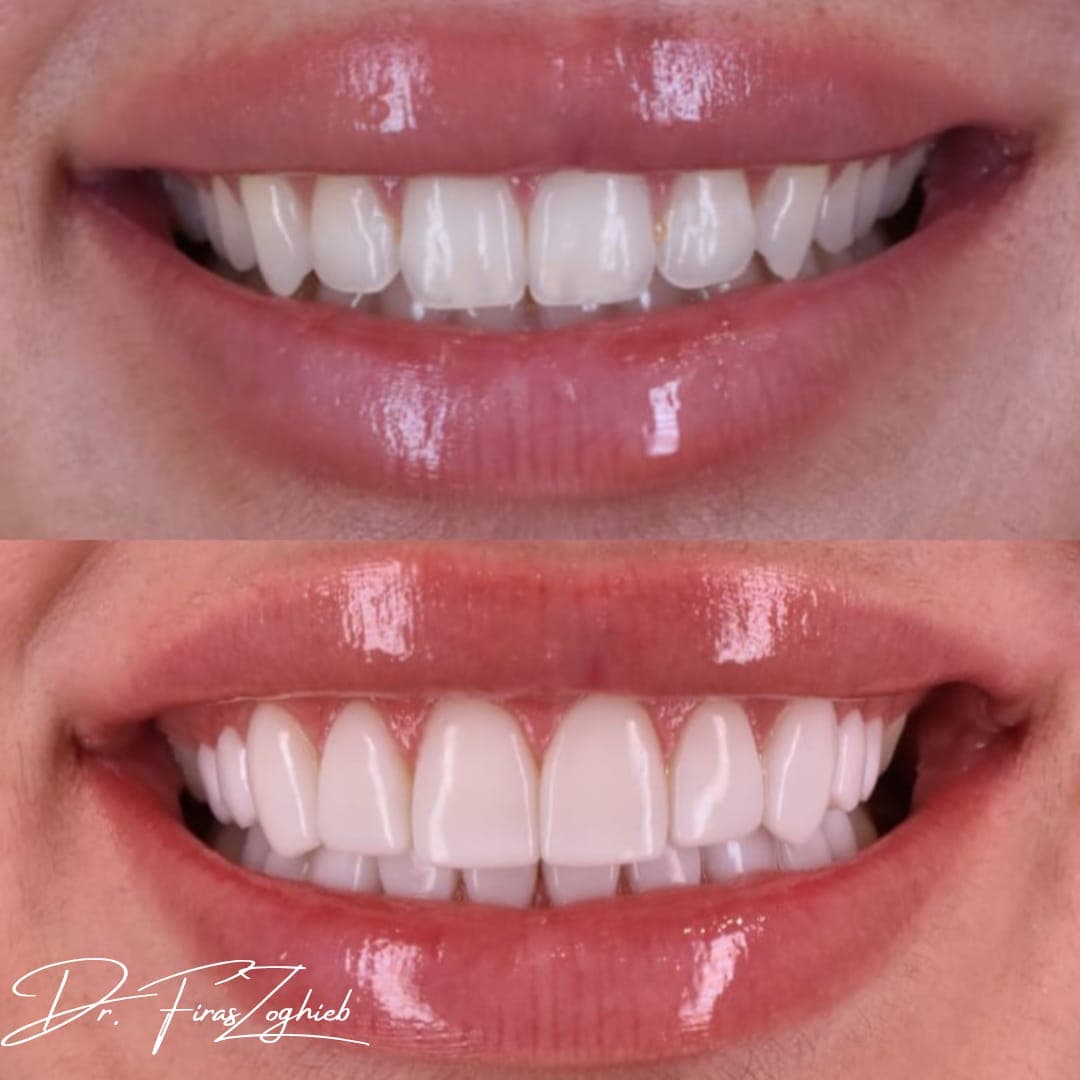
Veneers in Dubai are a popular cosmetic dental treatment for patients who want to improve the colour, shape, size, and overall appearance of their teeth. When planned carefully, veneers can create a brighter and more balanced smile while still looking natural.
A natural-looking veneer result should not look too white, bulky, or artificial. The best smile design should match your face, lips, skin tone, personality, and natural tooth proportions.
What Are Dental Veneers?
Dental veneers are thin custom-made shells placed on the front surface of the teeth to improve their appearance. They are commonly used to correct discolouration, uneven tooth shapes, small gaps, worn edges, and minor alignment concerns.
Veneers are usually made from porcelain or ceramic materials. These materials can reflect light in a way that looks similar to natural tooth enamel, helping create a realistic and elegant smile.
Can Veneers Look Natural?
Yes, veneers can look very natural when the treatment is planned with detail. Natural-looking veneers depend on the correct shade, shape, length, thickness, translucency, and smile design.
The goal is not to give every patient the same smile. The goal is to design veneers that enhance your own appearance while still looking like they belong to you.
What Can Veneers Improve?
- Discoloured teeth that do not respond well to whitening
- Chipped or worn front teeth
- Small gaps between teeth
- Uneven tooth shapes
- Short-looking teeth
- Minor misalignment
- Old bonding or restorations affecting the smile
- Teeth that look too small or unbalanced
What Makes Veneers Look Natural?
A natural veneer smile depends on many small details. The veneers should match the patient’s face and should not look copied from another person’s smile.
- A shade that suits your skin tone and age
- Natural tooth proportions
- Balanced tooth length
- Proper smile curve
- Soft edge shape
- Natural translucency
- Good gum harmony
- Comfortable bite adjustment
- A design that fits your lips and face
Veneers Treatment Process in Dubai
1. Cosmetic Consultation
The dentist begins by examining your teeth, gums, bite, and smile goals. This step helps determine whether veneers are suitable or whether another treatment such as whitening, bonding, or Invisalign may be better.
2. Smile Design Planning
Your smile is planned according to your facial features, tooth proportions, gum line, and preferred result. This stage is important for creating veneers that look natural rather than overly artificial.
3. Shade Selection
The dentist helps choose a veneer shade that looks bright but still natural. Choosing the whitest shade is not always the best option, because overly white veneers may look fake on some patients.
4. Tooth Preparation
Depending on the case, the dentist may prepare the teeth slightly so the veneers can fit comfortably and naturally. The amount of preparation depends on tooth position, veneer type, and the desired smile design.
5. Veneer Placement
The custom veneers are bonded to the teeth and carefully adjusted. The dentist checks the fit, bite, shape, and appearance before completing the treatment.
Who Is a Good Candidate for Veneers?
You may be a good candidate for veneers if your teeth and gums are healthy but you want to improve the appearance of your smile. Veneers are often suitable for patients who want a longer-lasting cosmetic solution than composite bonding.
- You want to improve tooth colour and shape
- You have chipped or worn front teeth
- You have small gaps or uneven teeth
- You want a natural-looking smile makeover
- Your gums are healthy
- You do not have untreated decay or gum disease
- You understand how to maintain veneers after treatment
Veneers vs Composite Bonding
Veneers and composite bonding can both improve the smile, but they are different treatments. Composite bonding uses tooth-coloured resin applied directly to the tooth. Veneers are custom-made porcelain or ceramic shells placed on the front of the teeth.
Bonding may be suitable for smaller changes, while veneers may be better for patients who want a more complete smile transformation, longer-lasting materials, or correction of several concerns at once.
Veneers vs Teeth Whitening
Teeth whitening improves the colour of natural teeth but does not change tooth shape, size, or alignment. Veneers can improve colour and shape at the same time.
If your main concern is mild staining, whitening may be enough. If you also have uneven shapes, chips, gaps, or deep discolouration, veneers may be more suitable.
Do Veneers Damage Natural Teeth?
Veneers may require some tooth preparation depending on the case. A conservative approach aims to preserve as much natural tooth structure as possible while still creating a beautiful and comfortable result.
The amount of preparation depends on the tooth position, existing tooth shape, veneer design, and the final result you want.
How Long Do Veneers Last?
Veneers can last for many years with proper care, but their lifespan depends on oral hygiene, bite pressure, grinding habits, diet, material quality, and regular dental checkups.
Patients who grind their teeth may need a night guard to protect their veneers and natural teeth from excessive pressure.
How to Care for Veneers
- Brush and floss daily
- Avoid biting hard objects
- Do not use your teeth to open packaging
- Limit habits that may stain natural teeth
- Attend regular dental checkups
- Wear a night guard if recommended
- Avoid nail biting and pen chewing
- Visit your dentist if a veneer feels uncomfortable
When Are Veneers Not the Best Option?
Veneers may not be suitable if you have untreated gum disease, active tooth decay, severe grinding, major bite problems, or very little healthy tooth structure. In these cases, the dentist may recommend treating the underlying problem before cosmetic work.
For some patients, Invisalign, whitening, composite bonding, crowns, or gum treatment may be recommended before or instead of veneers.
Book a Veneers Consultation in Dubai
If you are considering veneers in Dubai for a natural-looking smile, a consultation is the best first step. The dentist can assess your teeth, discuss your goals, and design a treatment plan that suits your face and smile.
With careful planning, veneers can create a brighter, smoother, and more balanced smile while still looking natural and elegant.
Frequently Asked Questions
Can veneers look natural?
Yes, veneers can look natural when the shade, shape, length, translucency, and smile design are carefully planned.
Are veneers better than composite bonding?
Veneers may be better for larger smile makeovers or longer-lasting ceramic results, while composite bonding may be better for smaller conservative changes.
Do veneers make teeth look fake?
Veneers should not look fake when they are designed naturally. Overly white, bulky, or poorly shaped veneers may look artificial.
How do I choose the right veneer shade?
The right shade should match your skin tone, facial features, age, and smile goals. A natural bright shade is often better than the whitest possible shade.
Can veneers fix gaps between teeth?
Yes, veneers can close small gaps and improve tooth proportions. Larger spacing or bite issues may require Invisalign or another treatment first.